Objetivos
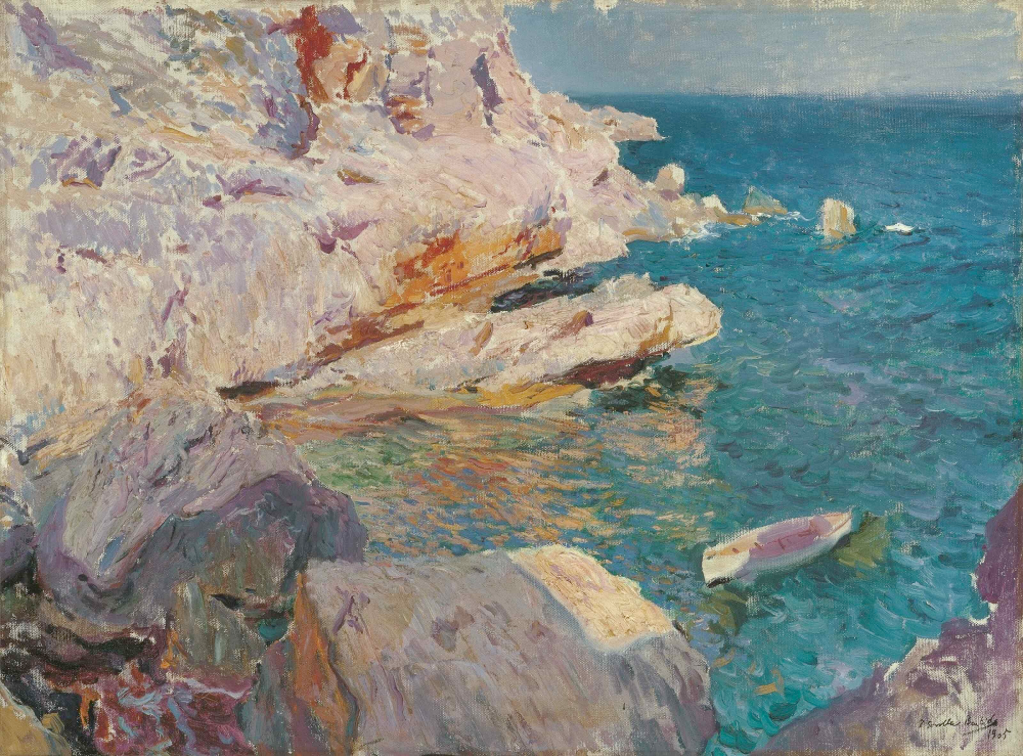
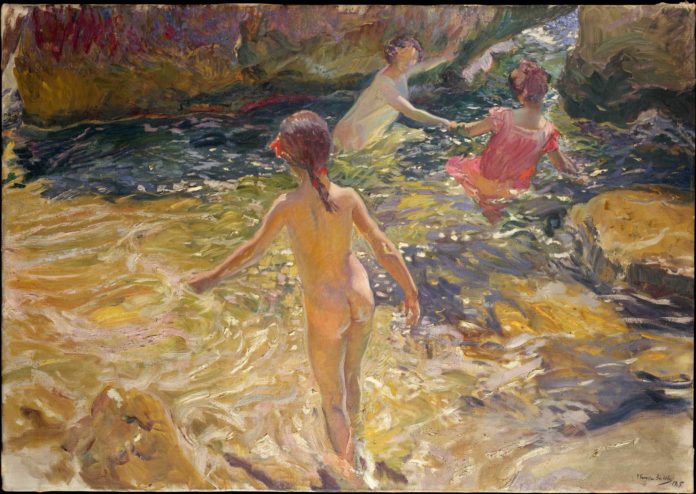
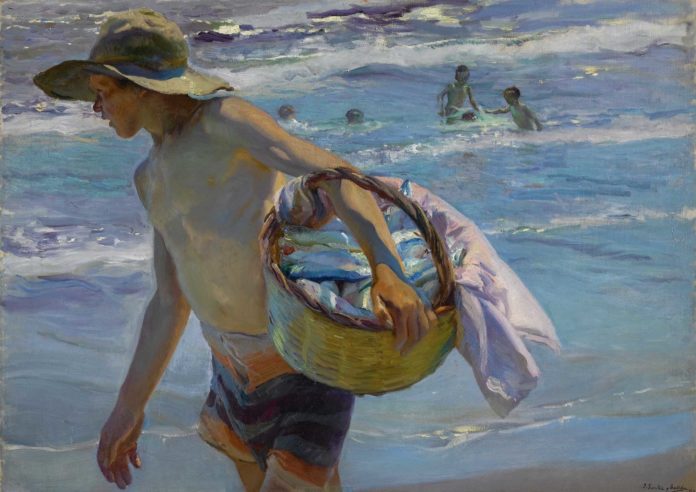
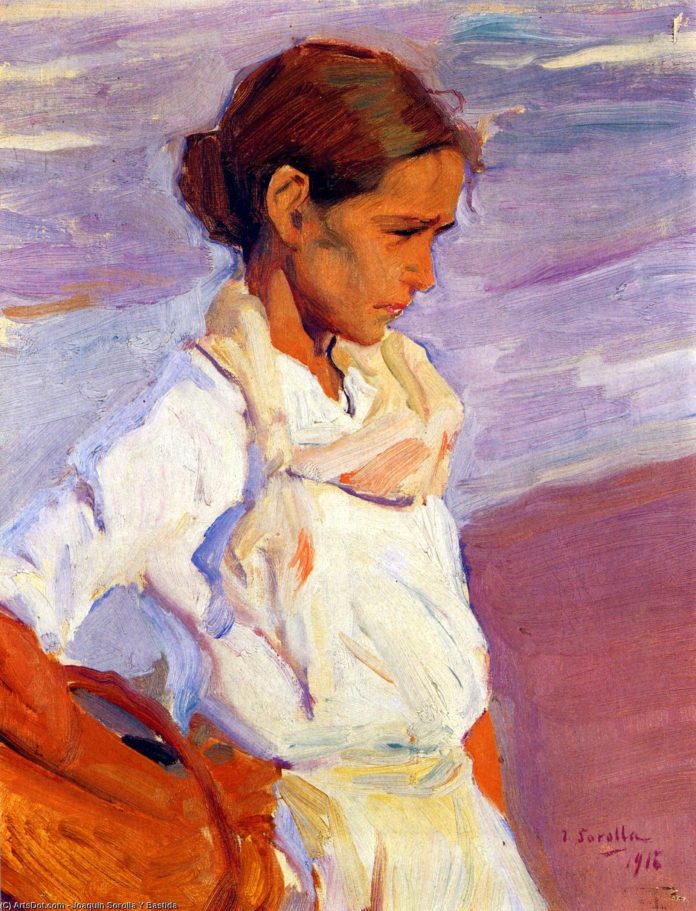
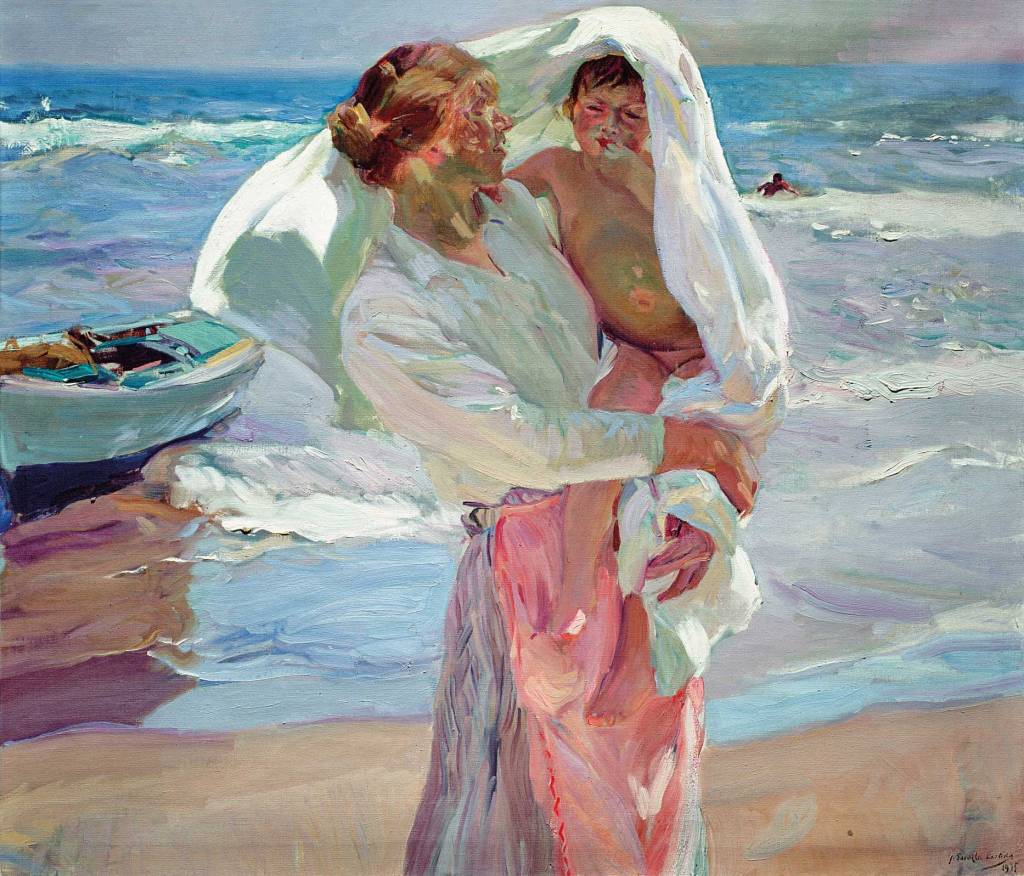
- Describir detalladamente las pinturas de Joaquín Sorolla, con particular atención a su uso de la luz.
- Aprender más palabras relacionadas con la luz.
Traduzcamos desde el inglés (algo que fue traducido del español):
“I hate darkness. Claude Monet once said that painting in general did not have light enough in it. I agree with him. We painters, however, can never reproduce sunlight as it really is. I can only approach the truth of it.” — Joaquín Sorolla y Bastida
¿Quién fue Sorolla?
¿Dónde vivió?
¿Cuándo nació?
¿Cómo era la situación en ese lugar y época?
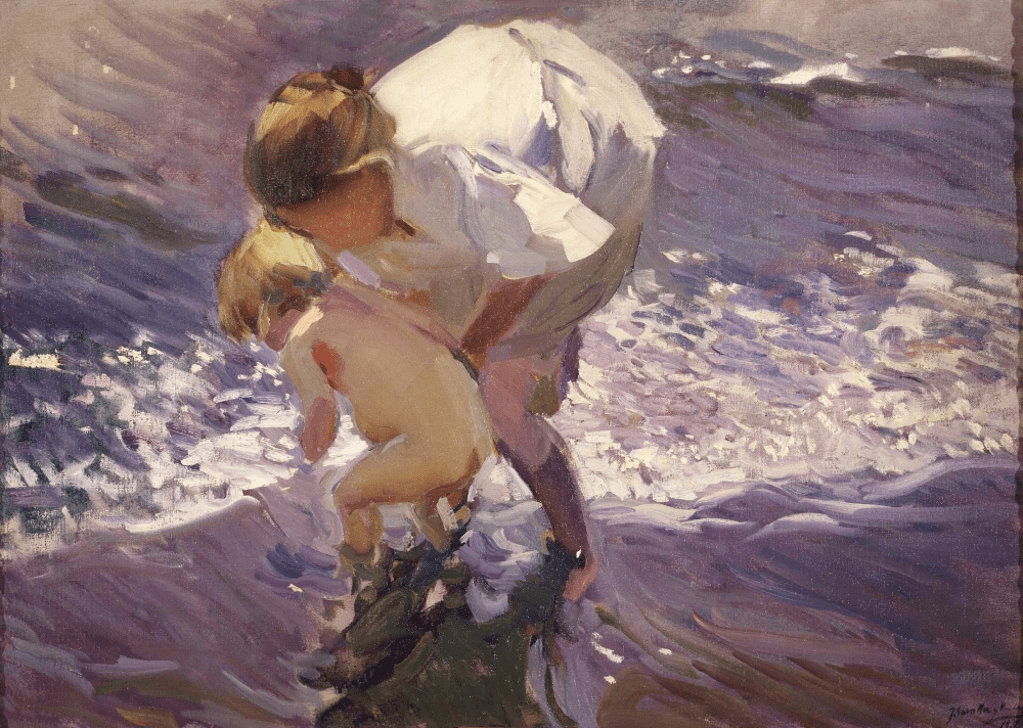
Un poco más para traducir desde aquí.
Every color we can see and mix can be broken down into three separate components: hue, value, and chroma. And each one of these components can be individually modified without changing the other. However, what we will discuss from this point on will pertain to hue.
The French Impressionists discovered this principle when they went outside to paint snow in the winter. In their model, the hue that sits closest to yellow should be considered the warmer of the two. The hue that sits closest to purple is cooler. It really is that simple.
The Color of Light
Let’s look more closely at what Pissarro, Monet, Renoir, and their brethren learned about light as they painted snow directly from life. They saw that the snow in the sunlight was not just a lighter value than the snow in the shadow, it was also warmer in hue.
They were painting the same snow, but different light, so the snow in the light and shadow contained different values and temperatures. The snow in the sun was warmer (yellowish), the snow in the shadows was cooler (bluish).
To reduce this observation into the most simplest terms:
sunlight = warm temperature
skylight filling the shadows = cool temperaturePissaro, Monet, and Renoir then applied this warm/cool observation about light to everything they could see, and voila, Impressionism was born!
If you study Sorolla’s outdoor work closely you will discover he often exaggerated the temperature differentials of his subject. He mixed his warms warmer, and his cools cooler. He pushed the local color in the light toward the yellow more than it was, and correspondingly, he pushed the local colors in his shadows more towards the blue or purple. He linked this warm/cool temperature division to his light and shadow masses, and that combination was largely responsible for creating the powerful illusion of intense sunlight on his canvas.
(Podemos seguir leyendo el artículo si queremos traducir más sobre Sorolla.)
Palabras relacionadas con la luz
Pensemos en todas las palabras que podamos que estén relacionadas con la luz.
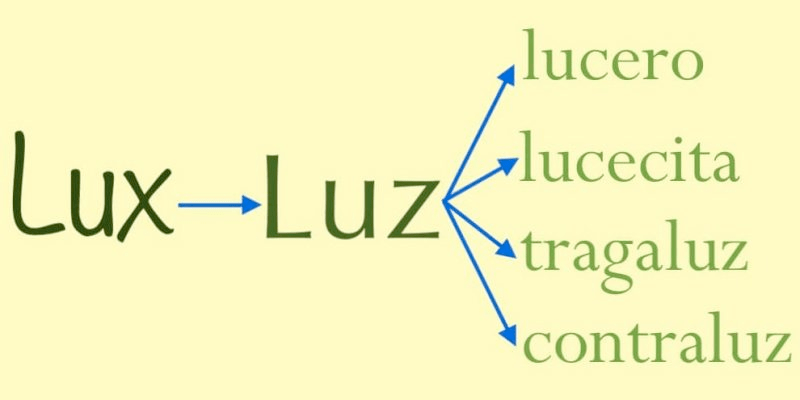
Aquí hay muchísimas de esta familia léxica.
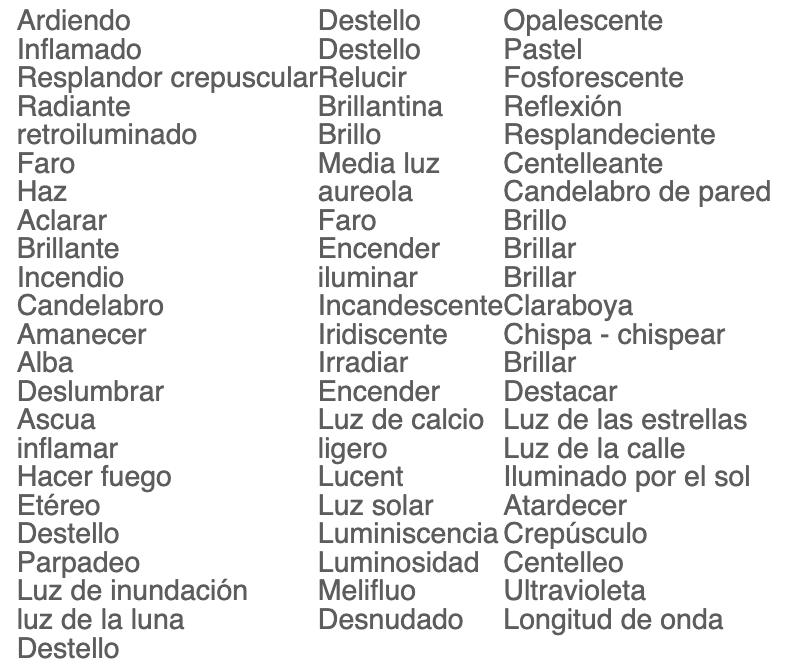
Aquí hay muchas otras.
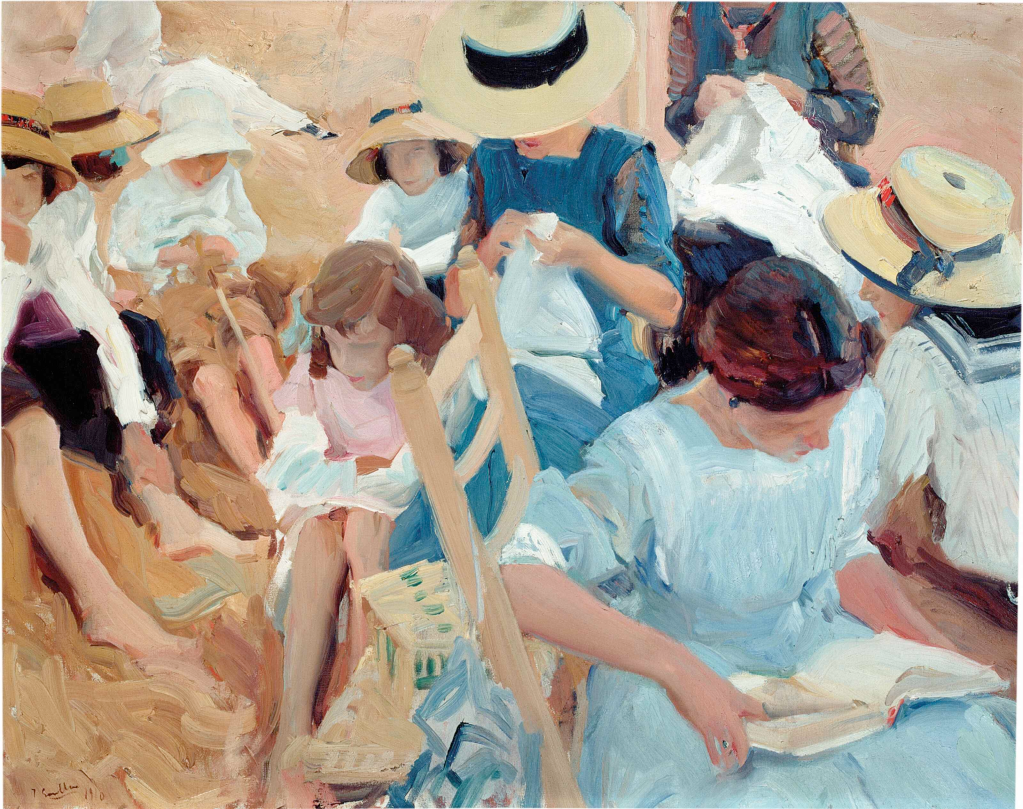
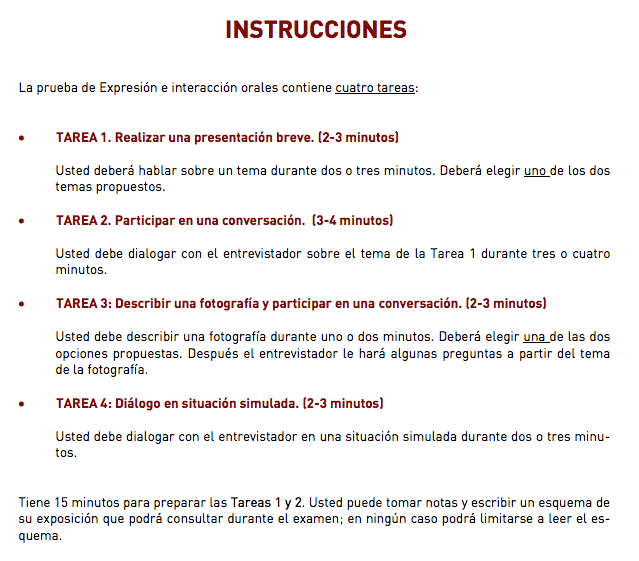
La prueba oral del DELE B1
Expresión e interacción orales
Todas estas instrucciones son capturas de pantalla del Modelo de examen del Centro Cervantes.
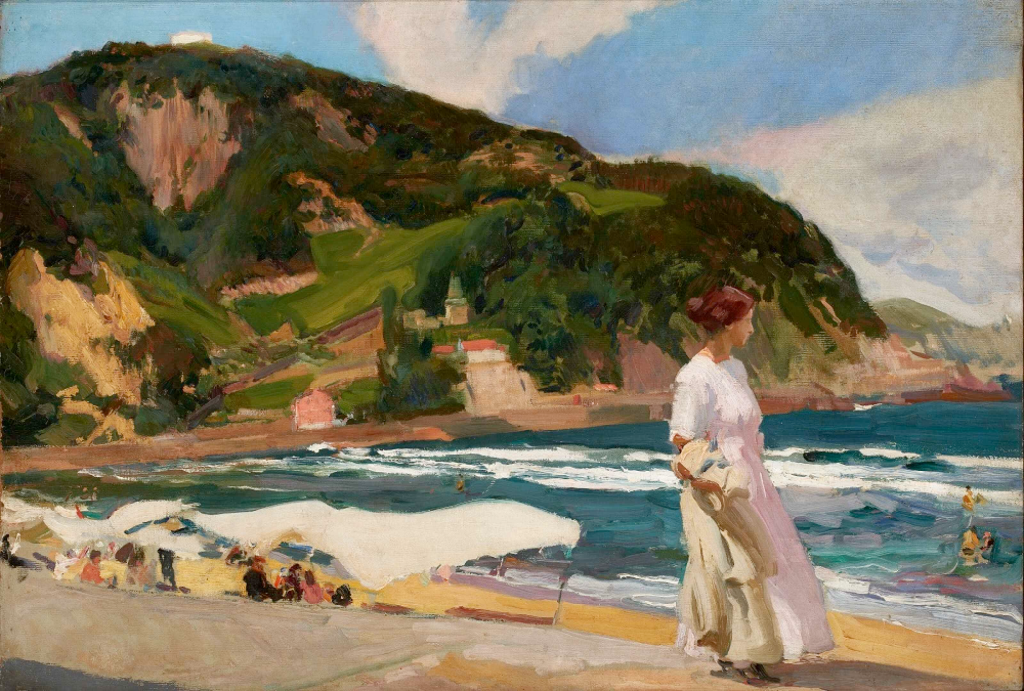
Tarea 3: Describir una fotografía y participar en una conversación
Puedes ver mucho más en Lenguaje y otras luces.
Describa con detalle lo que ve en la foto y lo que imagina que está ocurriendo.
Estos son algunos aspectos que puede comentar:
- Las personas: dónde están, cómo son, qué hacen.
- El lugar en el que se encuentran: cómo es.
- Los objetos: qué objetos hay, dónde están, cómo son.
- Qué relación cree que existe entre estas personas.
- ¿De qué cree que están hablando?
Posteriormente, el entrevistador le hará algunas preguntas.
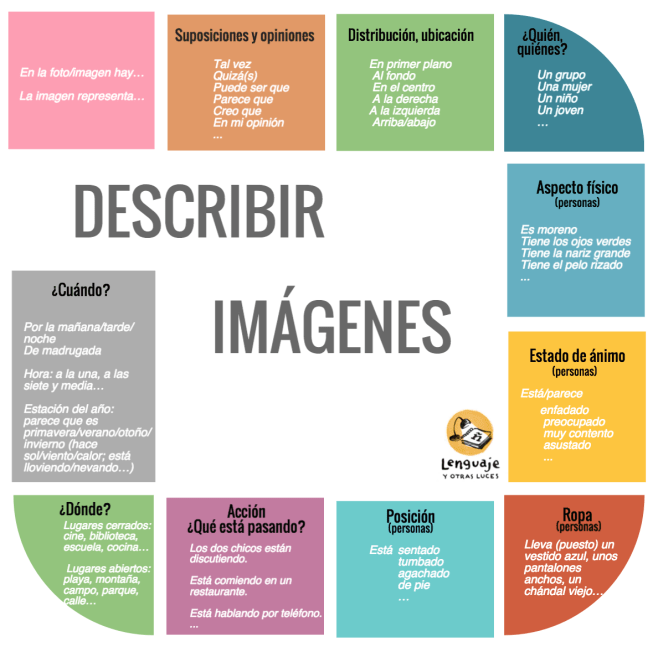
Fuente de las imágenes (y detalles)
Muchas más imágenes para analizar (y fuente de las imágenes de este artículo)

